 how-to
Can Locksmiths Open Doors Without Damage?
Table of Contents
- How Locksmiths Open Doors Without Damage
- Lock Picking vs Drilling: When Each Method Is Used
- How Long Does a Lockout Take?
- How to Find a Reliable Locksmith
- What Locks Can (and Cannot) Be Opened Without Damage
- DIY vs Professional: Risks of Trying to Open a Lock Yourself
- Frequently Asked Questions
Last Updated: October 2, 2026
How Locksmiths Open Doors Without Damage
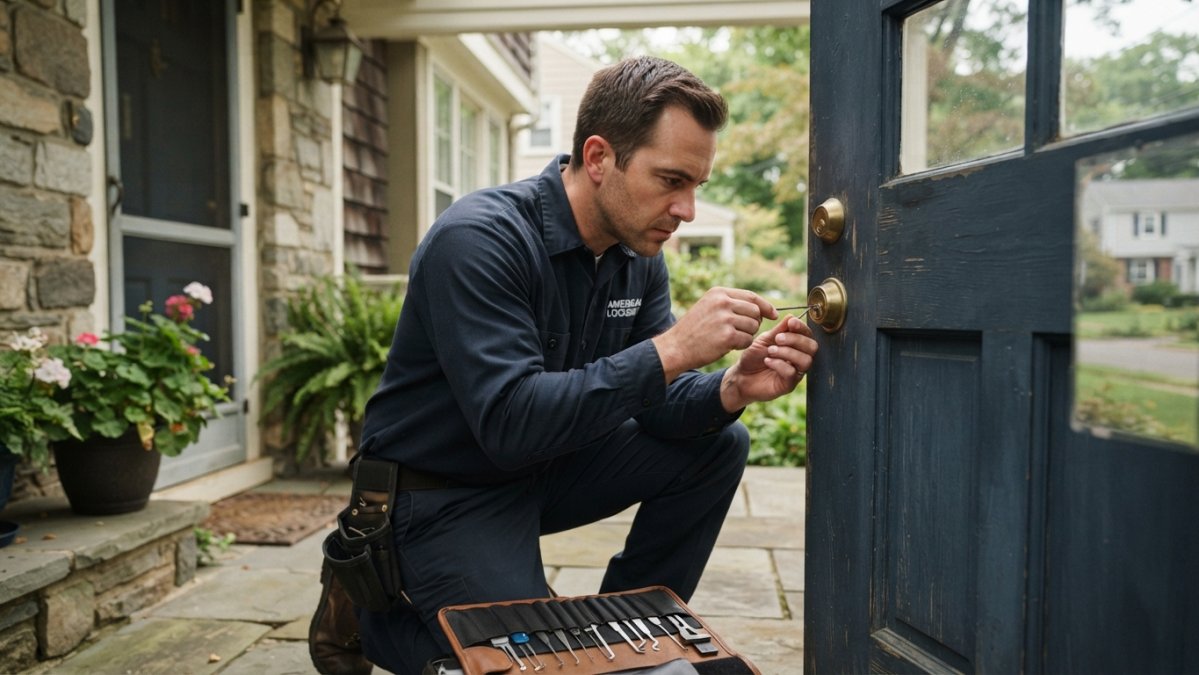
Yes, locksmiths can open doors without damage in most cases. The key is using the right technique for the specific lock. A trained professional has tools and skills that let them bypass a lock instead of breaking it.
Non-Destructive Entry Techniques
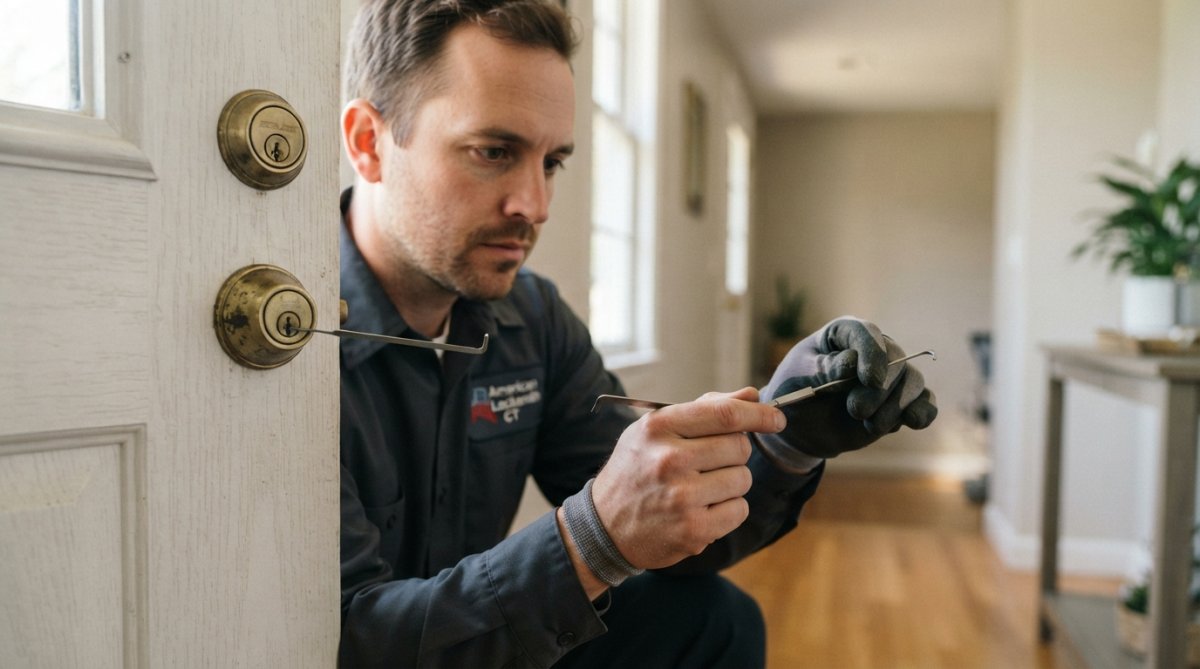
Non-destructive entry is any method that opens a lock without breaking it. The lock works normally afterward. You don't need to replace anything.
Common techniques include:
- Lock picking: Using a tension wrench and pick to move pins and springs into place
- Impressioning: Creating a working key by marking a blank against the lock's pins
- Bypass techniques: Sliding tools past the locking bar on some doors
- Key extraction: Removing a broken key without damaging the keyway
- Bump keys: Special cut keys that jolt pins into alignment
Lock Picking vs Drilling: When Each Method Is Used
Lock picking is the first choice. Drilling is the last resort. A good locksmith picks first and drills only when picking fails.
Here's the breakdown:
| Situation | Method Used | Why |
|---|---|---|
| Standard pin lock | Lock picking | Fast, no damage |
| High-security lock | Impressioning or picking | Preserves lock integrity |
| Broken lock mechanism | Drilling | Lock is already unusable |
| Frozen or jammed lock | Lubricant or bypass | Avoids unnecessary drilling |
| Lost key, lock intact | Picking or rekeying | Lock stays functional |
How Long Does a Lockout Take?
Most lockouts take 15 to 30 minutes once a locksmith arrives. Simple residential lockout jobs go faster. Complex commercial hardware or high-security locks take longer.
Timing depends on a few things:
- Lock type and condition
- Whether it's a deadbolt, padlock, or smart lock
- Access to the door
- Weather and lighting
How to Find a Reliable Locksmith
Finding a reliable locksmith comes down to verification, not luck. Check credentials before you're in an emergency.
Here's a simple checklist:
- Ask for a business license number
- Confirm the technician is background-checked
- Request a written quote before work starts
- Check for a local address, not just a call center
- Read reviews that mention pricing honesty
- Ask what happens if the door is damaged
What Locks Can (and Cannot) Be Opened Without Damage
The honest answer is that non-destructive entry depends less on the locksmith's skill and more on the lock's design. Two deadbolts that look identical from the hallway can behave completely differently once a pick touches the pins. The variable that matters most is the lock's security grade and the internal hardware that grade requires.
Reading the Grade Before You Read the Lock
Residential door hardware in the U.S. is commonly rated under ANSI/BHMA A156.13 for mortise locks and A156.36 for cylindrical and tubular locks. The grades run from Grade 3 (builder-grade, lowest durability and pick resistance) to Grade 1 (highest). Grade is not a pick-resistance rating on its own, but it correlates strongly with the internal tolerances, pin materials, and cylinder design that determine how a lock responds to manipulation.
| Lock class | Typical grade | Non-destructive entry outlook |
|---|---|---|
| Builder-grade knob or entry set | Grade 3 | Usually openable in seconds to a couple of minutes with standard picks or a bypass tool |
| Mid-range deadbolt | Grade 2 | Openable with picking or impressioning; may need more time and feel |
| High-security deadbolt | Grade 1 with security pins | Often openable by a skilled technician, but can take significantly longer |
| Restricted-keyway / high-security cylinder | Grade 1 with sidebar or telescoping pins | Frequently resists picking entirely; impressioning or a factory key may be the only non-destructive path |
| Smart lock with a mechanical keyway | Varies | Depends entirely on the backup cylinder; the electronics add nothing to pick resistance |
| Seized, corroded, or internally broken lock | Any | Destructive entry is often the only option because the mechanism no longer moves |
Why Some Cylinders Resist Picking
The pins inside a standard cylinder sit in a single shear line. A pick lifts each pin until the break between the driver pin and the key pin lines up with the plug, and the plug rotates. That is the entire principle behind traditional picking, and it is why a Grade 3 lock with loose tolerances falls quickly.
What This Means for You as a Customer
If you have a Grade 3 builder lock, expect a fast, clean opening. If you have invested in a Grade 1 high-security cylinder, expect the technician to spend more time, to ask about any spare key, and possibly to recommend a locksmith who specializes in that brand. That is not upselling, it is an honest read of the hardware.
DIY vs Professional: Risks of Trying to Open a Lock Yourself
The tools are easy to buy. The skill is not. Lock picks, bump keys, and bypass tools are widely sold online, and a beginner can watch a video and get a cheap pin-tumbler lock to open within an afternoon. That success is misleading. The locks people actually get locked out of, a worn deadbolt, a smart lock with a tight keyway, a commercial lever set, behave nothing like a practice cylinder on a bench.
The Real Cost of a Failed Attempt
A failed DIY attempt rarely ends where it started. The most common outcomes, in rough order of expense:
- A pick snapped inside the keyway. The broken segment now blocks the pins. Extraction requires specialized tools, and if the fragment is deep, the cylinder may need to be replaced.
- A key broken off in the cylinder. This is the single most common DIY failure. A fragment lodged against the pins can jam the plug, and forcing it deeper can score the keyway and destroy the cylinder.
- Bent or over-set pins. Forcing a pick past a security pin can bend the driver pins or push them out of alignment. The lock may still turn with the key but feel gritty, or it may stop turning entirely.
- Damaged smart lock electronics. Prying or forcing a smart lock's housing can crack the circuit board or shear the motor coupling. Many manufacturers void the warranty once the housing shows tool marks.
- Scarred or split door and frame. Bypass tools used without the right technique can gouge the door edge, bend the strike plate, or split the jamb, repairs that cost far more than the original lockout.
The Legal Line You Cross Without Noticing
Locksmith tools are legal to own in most states. Using them is where the law tightens. The general rule across U.S. jurisdictions is that you may use these tools only on property you own or on property where you have documented permission from the owner or an authorized agent.
That distinction matters in three situations people underestimate:
- Rental units. A tenant generally has the right to access their own unit, but many leases restrict lock changes and require landlord notification. Picking a lock the landlord controls can breach the lease even if you live there.
- Vehicles. A car you are borrowing, a company vehicle, or a vehicle in a shared fleet is not automatically yours to open with tools. Permission needs to come from the owner or the fleet manager.
- Property you are watching for someone else. House-sitting, pet-sitting, and short-term rental management do not automatically grant locksmith-tool authority. Get written authorization.
When DIY Is Actually Reasonable
There are narrow cases where doing it yourself is fine: a key broken off flush in a lock you own, with the fragment protruding enough to grip with needle-nose pliers; a sticky lock that responds to a graphite or PTFE-based dry lubricant rather than oil; a smart lock with a documented factory reset procedure. Anything involving picks, bump keys, or force on a lock you cannot easily replace is where the math tips toward calling a professional.
Frequently Asked Questions
Do locksmiths damage locks during an emergency lockout?
In most cases, no. Professional locksmiths use non-destructive entry techniques like lock picking, impressioning, or bypass methods that leave the lock fully functional. Damage typically occurs only when the lock is severely worn, jammed, or a high-security model that resists manipulation. Even then, a skilled locksmith will try every non-destructive option before drilling. If drilling is necessary, the lock cylinder is usually the only part replaced, not the entire door.
Is it always possible to gain entry without drilling?
No. While locksmiths open most standard residential and commercial locks without drilling, some situations require it. Examples include broken internal components, keys snapped inside the cylinder, or high-security locks with hardened pins that resist picking. A locksmith will assess the lock mechanism and attempt non-destructive methods first. If drilling becomes necessary, they will explain why and typically replace only the damaged cylinder, keeping costs lower.
How long does a lockout take to resolve?
A typical residential lockout takes 15 to 30 minutes once the locksmith arrives, depending on the lock type and entry method. High-security locks or complex commercial hardware may take longer. Response time varies by location and time of day. When you call, ask for an estimated arrival window and confirm whether the technician carries the tools needed for your specific lock. This helps set realistic expectations and reduces stress during an emergency.
What should I do if I'm locked out and need help fast?
First, confirm you are at the correct address and check for any unlocked windows or secondary doors. If none, call a licensed locksmith and provide your exact location, lock type, and whether it is a residential or commercial property. Avoid trying to force the door yourself, as this often causes expensive damage. Ask the dispatcher for a clear arrival estimate and a price range before the technician is sent. Keep your ID ready to prove residency.
A lockout is stressful, but it rarely means a broken door. The right technician opens most locks cleanly and leaves your security intact. American Locksmith CT brings mobile locksmith services to your door, with specialties in lockouts, repairs, and master rekeying. Our team focuses on expert locksmith solutions that restore your access and your peace of mind. Get started with American Locksmith CT and get back inside without the damage.