 how-to
Locked Out of House? What to Do Right Now in 2026
Table of Contents
- Immediate Steps to Take When You're Locked Out of House
- Safety Precautions During a Lockout (Especially at Night)
- Vetting a Legitimate Locksmith Before You Call
- Emergency Locksmith Services: When to Call and What to Expect
- Cost of Locksmith Lockout: What Affects Your Bill
- Smart Lock Troubleshooting and DIY Entry Risks
- How to Prevent House Lockouts and Secure Your Home
- Frequently Asked Questions
Last Updated: September 18, 2026
Immediate Steps to Take When You're Locked Out of House
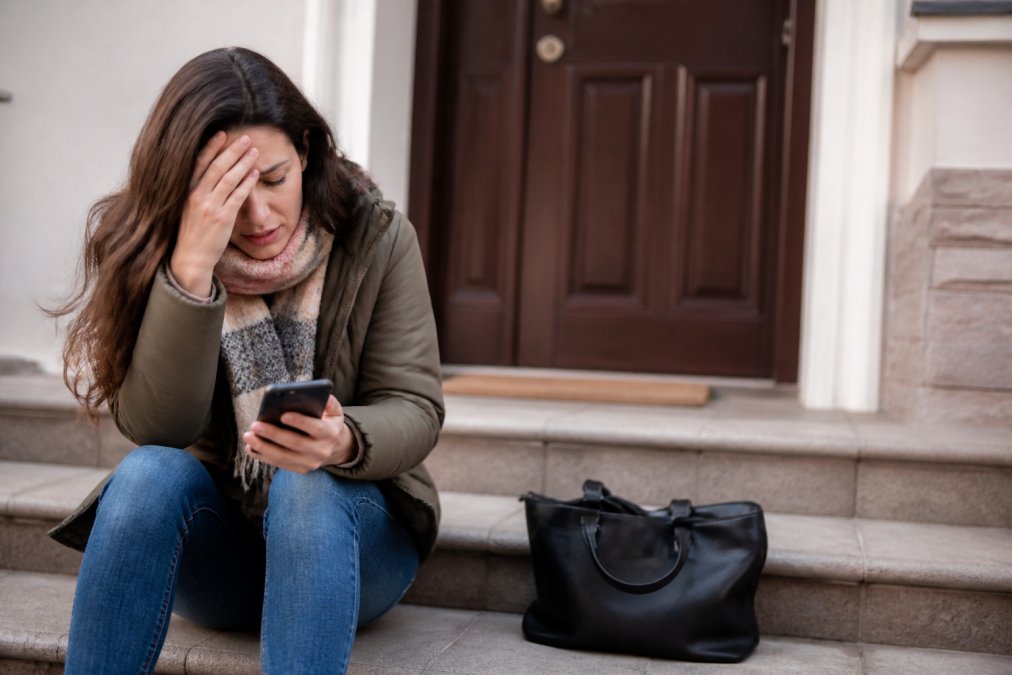
Getting locked out of house is frustrating, but panic makes it worse. The first move is to slow down and check what you already have.
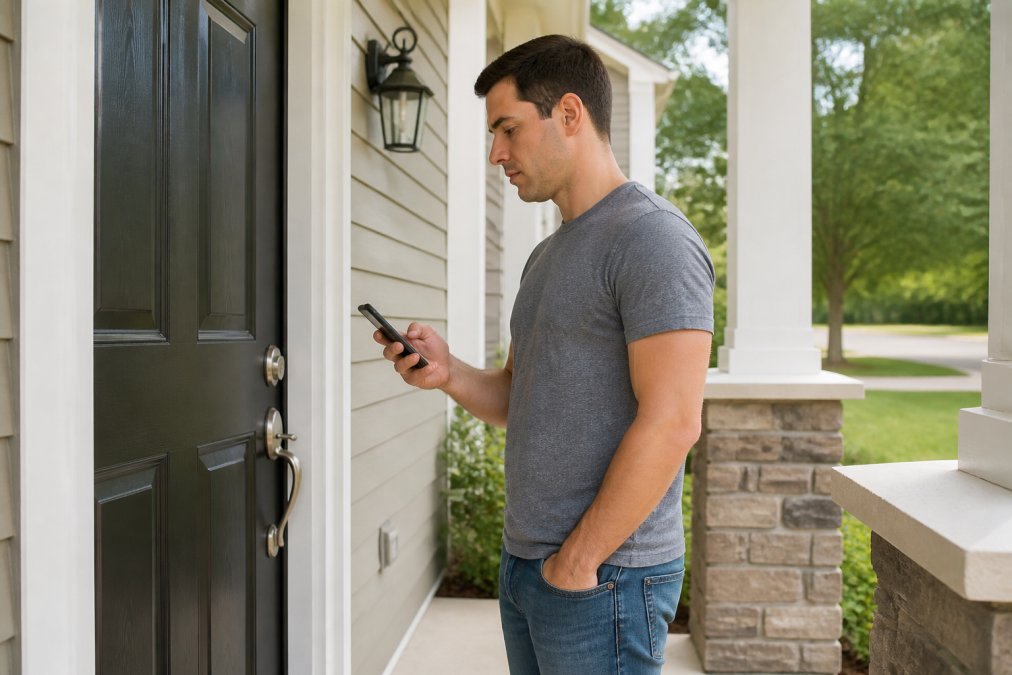
Start with these steps:
- Check your pockets, bag, and car for a spare key.
- Try every door, including the back and garage.
- Look for an unlocked window or sliding door.
- Call anyone else who has a key.
- If nothing works, call a licensed locksmith.
Check Every Door and Window First
A surprising number of lockouts aren't real lockouts. A back door left unlocked or a window cracked for air can get you inside without spending a dime.
Call Roommates, Family, or Your Landlord
Someone else probably has a key. Your roommate, partner, or a nearby family member may be minutes away.
Safety Precautions During a Lockout (Especially at Night)
Night lockouts carry real risk. Standing alone on a dark porch makes you a target, and cold weather adds danger fast.
Follow these safety rules:
- Stay in a well-lit area or your car with the doors locked.
- Keep your phone charged and share your location with someone you trust.
- Don't tell strangers you're locked out or alone.
- Avoid breaking a window; cuts and glass damage cost more than a locksmith.
- If you feel unsafe, call the police non-emergency line.
Vetting a Legitimate Locksmith Before You Call
Lockout scams are one of the most common consumer complaints in the home-services industry. The pattern is well documented: a national call center buys ads, quotes a low phone price, dispatches a subcontractor, and the technician demands a much higher cash price once you're standing outside with no options. The FTC has warned consumers about this exact scheme, and it disproportionately targets people in a hurry.
Before you agree to anything, run this checklist:
- Get the legal business name and a street address. A P.O. box or a "dispatch center" with no local shop is a red flag.
- Ask if the technician is an employee or a subcontractor. Legitimate local shops usually send their own W-2 or long-term techs.
- Confirm licensing and insurance. Confirm licensing and insurance. Ask for the license number and the name of the insurer.
- Demand a total price before work starts, service call, labor, after-hours surcharge, and any parts.
- Ask what happens if the lock can't be picked. A pro should be able to drill and replace, and should quote that scenario too.
- Pay by card when possible. Cash-only demands after the fact are a classic pressure tactic.
What a Legitimate Quote Actually Contains
A real quote is itemized, not a single number shouted over the phone. Expect to see:
| Line item | What it covers |
|---|---|
| Service call / trip fee | The drive to your address |
| Lockout labor | Picking or bypassing the lock |
| After-hours surcharge | Nights, weekends, holidays |
| Parts (if needed) | Replacement cylinder, knob, or deadbolt |
| Drill-and-replace (contingency) | If picking fails and the lock must be destroyed |
License, Insurance, and Background Checks
A legitimate locksmith carries a state license where required and liability insurance. Insurance matters because emergency entry tools can scratch a door, mar a frame, or crack a cylinder, and you want the company's policy, not yours, to cover it.
Verify the business independently before you commit:
- Look up the company on the Better Business Bureau for complaint history and accreditation.
- Cross-check the address on a mapping service, does a real storefront exist?
- Search the license number with your state's consumer protection or licensing board.
- Read recent reviews on more than one platform; a wall of five-star reviews posted in the same week is a warning sign.
Save a vetted locksmith's number in your phone today, before you need it. When you're locked out at 2 AM, you won't want to screen strangers in the dark.
A fair locksmith gives you an itemized quote before starting, shows a license and insurance on request, and hands you a receipt after. If the price jumps once you're desperate, that's your signal to walk away and call someone else.
Emergency Locksmith Services: When to Call and What to Expect
Call an emergency locksmith when you've checked every entry point and no one with a key can reach you. This is a professional service built for exactly this situation.
Here's what a normal call looks like:
- You call and describe your location and lock type.
- Dispatch sends the nearest technician.
- The tech arrives, confirms your identity, and quotes the job.
- They use lock picking or entry tools to open the door.
- You pay and get a receipt.
Cost of Locksmith Lockout: What Affects Your Bill
The cost of locksmith lockout varies, so pricing depends on several factors. There's no single flat rate.
What drives the price:
| Factor | Why It Matters |
|---|---|
| Time of day | Nights, weekends, and holidays cost more |
| Lock type | Deadbolts and smart locks take longer than a basic knob |
| Distance | A longer drive to your home raises the fee |
| Damage | A broken lock or door adds repair cost |
| Access | A second-floor or blocked entry slows the job |
A fair locksmith gives you a clear quote before starting and a receipt after. If the price jumps once you're desperate, that's a sign to walk away.
Smart Lock Troubleshooting and DIY Entry Risks
Smart locks fail differently than traditional ones. A dead battery, a firmware update that didn't finish, a Wi-Fi or Bluetooth drop, or a jammed motor can lock you out even when your phone shows the door as unlocked. Most guides skip this scenario entirely, but it's now one of the most common lockout calls.
Smart Lock Lockout: What to Try First
Work through these in order before you call anyone:
- Replace the batteries. Most smart locks give a low-battery warning, a slow beep, a red LED, or an app notification, days before they die. If you ignored it, fresh alkaline or lithium cells often restore the keypad instantly.
- Use the physical key override. Many smart deadbolts ship with a traditional key cylinder hidden under a cover. If you have that key, you're done.
- Try the backup code, not the app. If the app is glitching, the keypad code usually still works. Enter it slowly and wait for the lock to cycle.
- Check for a stuck bolt. Extreme temperature swings and misaligned strike plates can jam the motor. Push or pull the door gently while entering the code.
- Look for a 9-volt emergency terminal. Many keypad locks (including common residential models) have two contacts on the outside that accept a 9-volt battery to power the lock long enough to enter a code. This is the single most useful DIY trick for a dead smart lock.
- Force a reboot. Some locks have a reset button under the interior cover. Pulling and reinserting the battery pack often clears a firmware hang.
If none of that works, the lock has failed at the hardware level and you need a locksmith, not a hammer.
DIY Entry Methods and Their Real Risks
Lock picking, bumping, and carding look easy in videos. In practice, they damage locks and frames when done by someone without training:
- Carding a spring latch can bend the latch or scratch the frame; it does nothing on a deadbolt.
- Bumping can shear pins and leave the cylinder unusable, forcing a full replacement.
- Picking a worn or high-security cylinder often ends with a broken pick inside the lock.
- Forcing a door, kicking, prying, or shimming, routinely cracks the frame, splits the jamb, and destroys the strike plate. That turns a $0 lockout into a door replacement.
Legal and Insurance Implications of DIY Entry
This is the part most guides leave out, and it matters:
- If you rent, your lease almost certainly prohibits altering or damaging the door, lock, or frame. Breaking a window or prying a door can trigger a repair charge, a lease violation, or a deduction from your security deposit, even if you own everything inside.
- If you own, your homeowner's insurance may cover sudden damage, but many policies exclude damage from "faulty workmanship" or intentional forcing. A claim adjuster can and will ask how the damage happened.
- If you damage a shared entry, a building lobby door, a common hallway lock, or a neighbor's unit, you may be liable to the landlord or HOA for the repair, not just your own door.
- If you call a locksmith, ask them to document the entry with photos and a receipt. That paperwork protects you if a landlord or insurer later questions the damage.
Never break a window or pry a door as a first move. Glass cuts send people to the ER every year, and the repair bill, plus the potential lease or insurance fallout, almost always exceeds a locksmith's lockout fee.
Smart locks fail in ways traditional locks don't, but most failures have a fix: fresh batteries, the key override, the backup code, or a 9-volt jump. When those fail, the safe and legal move is a licensed locksmith, not a crowbar.
How to Prevent House Lockouts and Secure Your Home
A few simple habits prevent most lockouts. None of them cost much, and all of them save you a late-night headache.
Try these preventative measures:
- Hide a spare key in a lockbox, not under the mat.
- Give a trusted neighbor a key.
- Install a keyless entry or smart lock with a backup code.
- Keep a spare key fob for your car.
- Save a vetted locksmith's number in your phone.
Frequently Asked Questions
How do I get back into my house if I locked myself out?
First, check all doors and windows for an unlocked entry point. If none, call anyone with a spare key, such as a roommate, family member, or landlord. If no one is available, contact a professional locksmith who can perform emergency entry without damaging your door. Avoid forcing the lock yourself, as this can break the mechanism and lead to costly repairs.
Can police help if I'm locked out of my house?
Police generally do not unlock homes for non-emergencies. They may assist if there is an immediate danger, like a child or pet trapped inside, or if you are a victim of a crime. For standard lockouts, call a locksmith. Some police departments may have a list of recommended locksmiths, but they do not perform lock picking themselves.
How much does it cost if you get locked out of your house?
The cost of a locksmith lockout varies based on time of day, location, and lock type. Emergency calls at night or on weekends typically cost more. Pricing also depends on whether the lock needs to be picked, drilled, or replaced. Pricing depends on whether the lock needs to be picked, drilled, or replaced. Contact American Locksmith CT directly for a quote based on your specific situation.
Is it safe to try and pick my own lock?
Attempting to pick your own lock without training can damage the lock mechanism, making entry harder and more expensive. It also carries legal risks if you are not the property owner. For your safety and to avoid voiding insurance or violating tenant rights, call a professional locksmith. They have the right entry tools and experience to open your door without damage.
Getting locked out of house is stressful, but it doesn't have to ruin your night. The right habits, a vetted locksmith, and a plan keep you calm and in control. American Locksmith CT offers mobile locksmith services, specializing in lockouts, repairs, and master rekeying, with reliable technicians who come to you. Get started with American Locksmith CT and unlock your peace of mind.