 How-to
Emergency Locksmith Response Time Expectations
Table of Contents
- Emergency Locksmith Response Time Expectations: What to Expect
- How Long Does a Locksmith Take to Arrive?
- Locked Out of House? What to Do While You Wait
- What to Ask an Emergency Locksmith Before You Book
- Locksmith Service Call Expectations: Pricing, Estimates, and Guarantees
- Factors That Affect Emergency Locksmith Response Time
- Conclusion
- Frequently Asked Questions
Last Updated: October 15, 2026
Emergency Locksmith Response Time Expectations: What to Expect
Most emergency locksmith response time expectations land between 15 and 60 minutes, depending on where you are and when you call. That is the honest answer.
Here is the reality behind that range. A mobile locksmith based nearby can often reach you in 15 to 30 minutes. A rural call or a busy Friday night can stretch past an hour.
How Long Does a Locksmith Take to Arrive?
The typical wait for an emergency locksmith is 15 to 45 minutes in a city or suburb, and 30 to 60 minutes or more in rural areas. Most reputable companies quote a window, not a single number, because traffic and workload shift by the hour.
Typical Arrival Windows by Area Type
Where you live drives the estimate more than anything else. A dense service area means more technicians and shorter drives.
| Area Type | Typical Arrival Window | Main Reason |
|---|---|---|
| Urban | 15 to 30 minutes | Short distances, more technicians |
| Suburban | 20 to 45 minutes | Moderate distance, steady demand |
| Rural | 30 to 60+ minutes | Long travel time, fewer techs |
These are general ranges. Your actual arrival window depends on the specific call.
Arrival Time vs. On-Site Service Time
Arrival time is how long the technician takes to reach your door. On-site service time is how long the lockout itself takes to solve. A simple car lockout might take a few minutes once the technician is there. A broken lock that needs replacement takes longer. Ask about both when you book, so you know the full picture.
Locked Out of House? What to Do While You Wait
Stay calm, stay safe, and stay reachable. The wait feels longer than it is, and a few smart moves keep you comfortable and secure until help arrives.
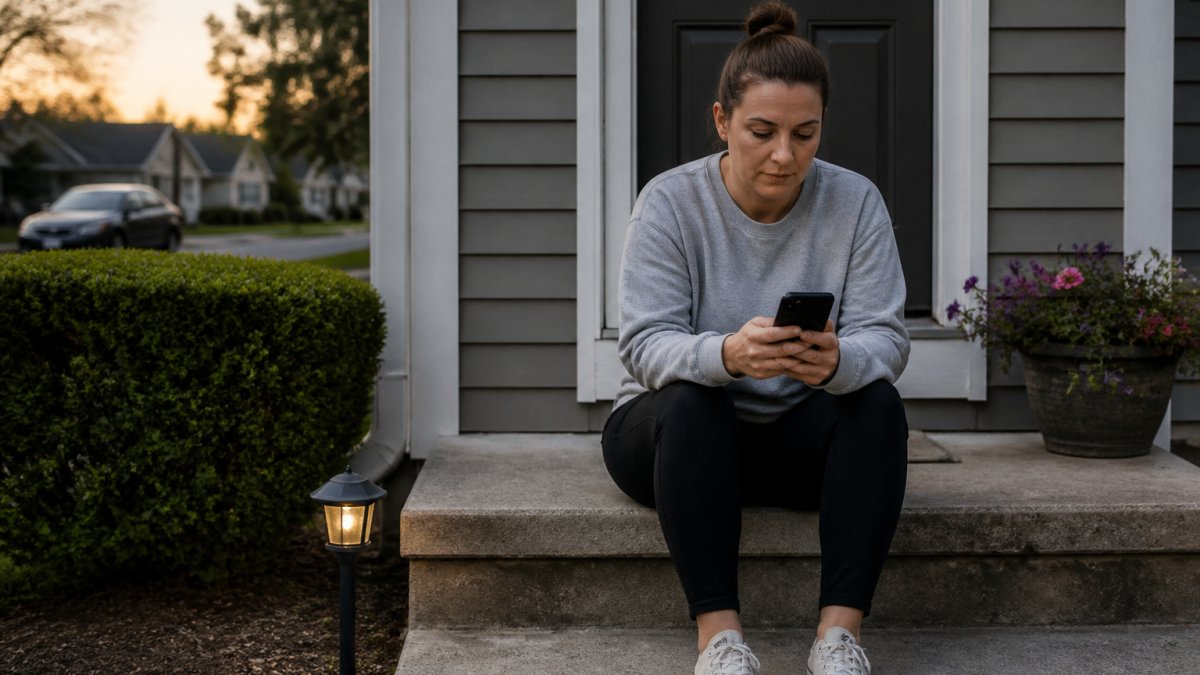
Start with these steps:
- Confirm the arrival window with the dispatcher and get a name.
- Keep your phone charged and nearby for the arrival update.
- Move to a well-lit, visible spot if you can.
- Tell a friend or family member where you are.
Safety Tips If You Feel Exposed or Unsafe
If you feel unsafe waiting outside, do not stay put just because it is your own home. Walk to a neighbor's porch, a nearby business, or a public spot and wait there. Give the technician that address instead. Your safety matters more than convenience. A good locksmith will meet you wherever you feel secure.
What to Ask an Emergency Locksmith Before You Book
Ask four things before you commit: the arrival window, the total cost estimate, the technician's credentials, and the company's policy if the door gets damaged. A legitimate locksmith answers all four without dodging. The trick is asking them in the right order, before you give a dispatcher your address, because once a truck is rolling you have far less leverage to walk away.
The Pre-Dispatch Verification Sequence
Most lockout scams depend on you being rushed. Slow the call down for sixty seconds and run this sequence:
- Get the legal business name, not just the brand. "Speedy Lock Guys" may be a marketing name; ask for the registered entity. You can check most states' business registries online in under a minute.
- Ask for a physical business address. A real local operation has a shop, a mailbox, or a registered agent address. A call center that routes to whoever is closest often cannot give you one.
- Ask whether the technician is an employee or a subcontractor. Both can be legitimate, but the answer tells you who is accountable if something goes wrong.
- Request the total estimate in writing, text or email is fine, before you confirm the job. A verbal "around $80" is not an estimate.
- Confirm the payment methods accepted. A company that takes cards and sends a receipt is easier to hold accountable than one demanding cash only.
- Ask what happens if the quoted price changes on-site. The answer should be: nothing gets done without your approval of a revised number.
How to Verify a Locksmith and Avoid Scams
Lockout scams are common because callers are stressed and rushed. Protect yourself with a quick check:
- Ask for the company's full name and physical address.
- Request a written or verbal cost estimate before work starts.
- Confirm the technician carries proper identification and matches the company you called.
- Be wary of anyone who demands cash only or quotes a vague price.
Licensing rules for locksmiths vary by state and sometimes by city; some jurisdictions require a license, others require only a business registration. Ask the dispatcher directly what applies where you are, and treat a refusal to answer as a red flag. The Federal Trade Commission's consumer advice on avoiding scams recommends getting estimates in writing and never paying upfront for work not yet done.
What a Legitimate Dispatcher Will Tell You Up Front
A trustworthy operation volunteers information before you ask. Expect the dispatcher to state the arrival window as a range, name the service call fee, note any after-hours surcharge, and tell you the technician's first name and estimated time of arrival. If you have to drag each detail out one question at a time, that is a signal to call the next company on your list.
Locksmith Service Call Expectations: Pricing, Estimates, and Guarantees
Expect a service call fee plus the cost of the work, and expect the final bill to depend on the job. Pricing varies by time of day, lock type, and whether parts are needed. Rather than quote flat numbers that go stale, here is how the bill is typically built so you can sanity-check any estimate you receive.
How a Locksmith Bill Is Usually Structured
A fair estimate should break out each of these lines, not lump them into one number:
- Service call or dispatch fee. A flat charge for sending a technician to your location, whether or not work is performed. This is the number to ask about first.
- The lockout or repair labor. The work itself, priced by job type, a simple car lockout, a residential door, a commercial cylinder.
- After-hours or weekend surcharge. Many companies add a percentage or flat add-on for nights, weekends, and holidays. Ask whether the surcharge applies from the moment you call or only after a certain hour.
- Replacement parts. Locks, cylinders, and keys are billed separately. Ask whether the part is stocked on the truck or requires a second trip.
Questions That Reveal a Fair Price
- "Is the service call fee credited toward the repair if I approve the work?" Some companies apply it; some do not.
- "What is the after-hours surcharge, and does it start at a specific hour?"
- "Will I approve the final price before any work begins?" The answer should be yes.
- "Do you take card payment, and will I get an itemized receipt?"
- "If the job takes longer than expected, is the price locked or hourly?"
Response-Time Guarantees vs. Advertised Targets
A company advertising "30-minute response" is usually quoting a target, not a contractual guarantee. Those are different things, and the difference matters when you are standing in the cold. Ask the dispatcher:
- Is the arrival window a guarantee with a remedy if missed, or an estimate?
- Does the clock start when you call, when the job is dispatched, or when the technician accepts it?
- What happens if the window passes, do you get a call, a discount, or nothing?
Most practitioners find that a written arrival window with a callback if it slips is more useful than a headline number, because it tells you the company is tracking the job rather than just quoting a marketing figure.
How to Confirm Your Arrival Estimate
Repeat the window back to the dispatcher and ask for a text confirmation. If the technician is running late, a good company calls you with an updated arrival time. Ask what happens if they miss the window. Transparent companies set that expectation before you hang up, not after.
Factors That Affect Emergency Locksmith Response Time
Several things push your wait up or down. Knowing them helps you set realistic emergency locksmith response time expectations before you call.
- Distance and service area. The farther you are from the nearest technician, the longer the drive.
- Traffic and road conditions. Rush hour, accidents, and construction all add travel time.
- Weather conditions. Storms and ice slow every vehicle on the road.
- Technician availability and current workload. If several lockouts hit at once, you may wait behind them.
- Time of day. After-hours and weekend calls can take longer than midday calls.
A local locksmith who knows the area often beats a national dispatch line, because the technician is already nearby and does not route through a call center. The Better Business Bureau's guidance on hiring trustworthy service providers suggests checking a company's track record before you need them in a hurry.
Conclusion
A lockout is stressful, and the wait can feel endless when you are standing outside your own door. The fix is simple: know the realistic window, verify who you are calling, and confirm the price before anyone starts work. American Locksmith CT brings mobile locksmith services straight to you, with a focus on lockouts, repairs, and master rekeying. Our technicians handle residential and commercial jobs.
Frequently Asked Questions
What is a typical locksmith response time for a home lockout?
Most emergency locksmiths aim to arrive within 15 to 45 minutes in urban and suburban areas, while rural locations may take 30 to 60 minutes or longer. Your actual wait depends on traffic, weather, technician availability, and distance. When you call, ask for a specific arrival window and request a text update if the technician is delayed. A reliable locksmith will give you a realistic estimate, not just the fastest possible time.
What factors can delay an emergency locksmith?
Common delays include heavy traffic, road accidents, severe weather, high call volume during evenings or weekends, and the technician's current workload. If you are in a rural area, travel time alone can add 20 to 30 minutes. When you book, share your exact address and any access notes (gate codes, parking instructions) so the locksmith can plan the quickest route. Ask for a call or text if they are running behind.
What should I do while waiting for a locksmith?
Stay in a safe, well-lit area if possible. If you feel exposed, wait in your car with the doors locked or ask a neighbor to wait with you. Keep your phone charged and the locksmith's number handy. Do not attempt to break in yourself, as you could damage the door or injure yourself. If you are in immediate danger, call 911 instead of a locksmith.
How can I verify a locksmith is legitimate before they arrive?
Ask for the technician's name and license number (if your state requires licensing), then check your state's consumer protection or licensing board website. Request a written estimate by text or email before they start work. A legitimate locksmith will have a local business address. Avoid anyone who demands cash upfront or quotes a price that seems too low. If something feels off, cancel and call a different company.
When you are locked out, you want a company that shows up and treats you fairly. American Locksmith CT offers mobile locksmith services built around lockouts, lock repairs, and master rekeying, so help comes to you. Our technicians focus on getting you back inside safely and restoring your peace of mind. Get started with American Locksmith CT and secure your home or business today.