 How-to
7 Common Car Lockout Causes in 2026
Last Updated: October 25, 2026
Quick Summary
Car lockout causes range from keys locked inside the vehicle and lost or misplaced keys to dead key fob batteries, electronic failures, and faulty door locks. Understanding these car lockout causes helps you prevent lockouts through simple habits like keeping spare keys at home, replacing fob batteries every three years, and staying alert when exiting your vehicle.
- Keys locked inside account for the most straightforward lockout scenario, often happening when modern vehicles auto-lock after you close the door.
- Key fob batteries typically last three to four years and show warning signs before dying completely, such as needing multiple presses to unlock.
- Dead batteries are one of the most preventable car lockout causes, while electronic fob failures from water damage or worn buttons often require professional repair or replacement.
- Mechanical lock failure happens gradually over time from wear, dirt accumulation, and rust, especially in vehicles over 10 years old or in harsh climates.
- If a child or pet is locked inside, call 911 first rather than waiting for roadside assistance or a locksmith, as interior temperatures can reach dangerous levels within minutes.
Table of Contents
- Why Car Lockouts Happen: Understanding the Most Common Causes
- Keys Locked Inside the Vehicle
- Lost or Misplaced Car Keys
- Dead Key Fob Battery Car Lockout Scenarios
- Key Fob or Remote Failure and Electronic Glitches
- Faulty Door Locks and Mechanical Wear
- Keys Locked in Car: What to Do Immediately
- How to Prevent Car Lockouts Before They Happen
- Frequently Asked Questions
Why Car Lockouts Happen: Understanding the Most Common Causes
Car lockouts are frustrating and more common than you'd think. American Locksmith CT handles emergency automotive lockouts regularly. Understanding the most common car lockout causes can help you avoid the panic and expense of being stranded outside your vehicle.
A car lockout happens when the doors are locked and you can't access your keys or key fob. Causes range from human error to mechanical or electronic failure, and knowing which you're facing helps you decide whether to troubleshoot or call a professional.
The good news: most lockouts are preventable.
Keys Locked Inside the Vehicle
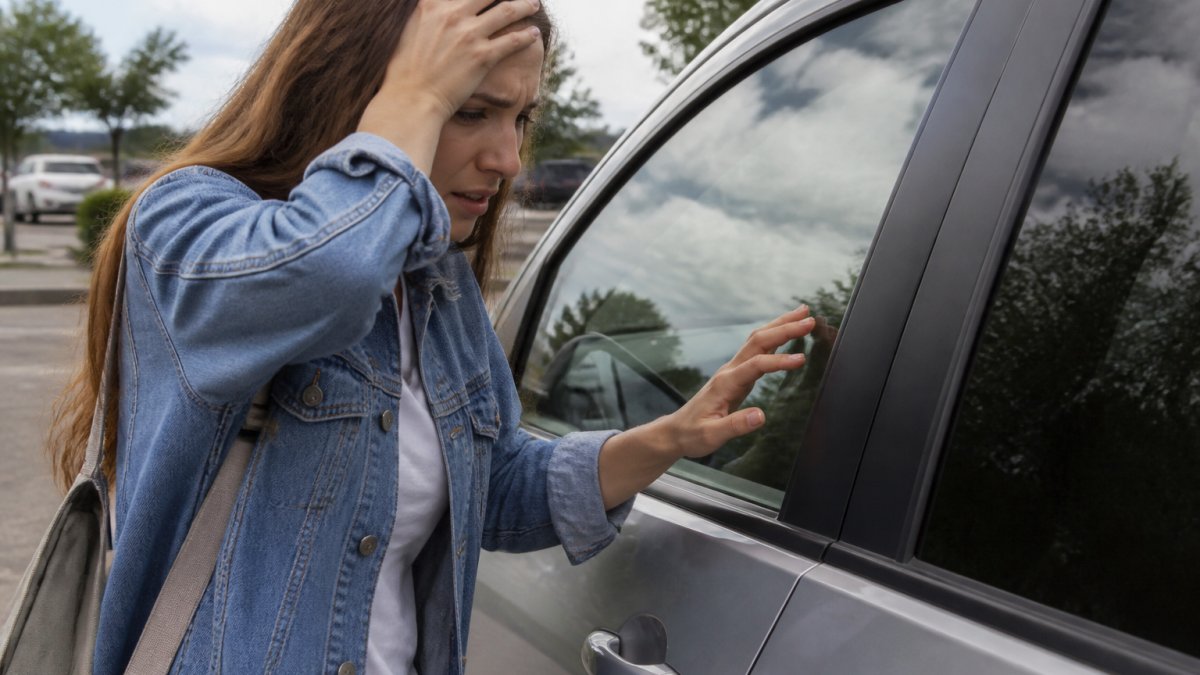
This is the most straightforward car lockout scenario, yet it happens constantly: you step out, the door locks automatically, and your keys sit on the driver's seat.
Modern vehicles often auto-lock when you close the door; older models require manual locking, but the result is the same.
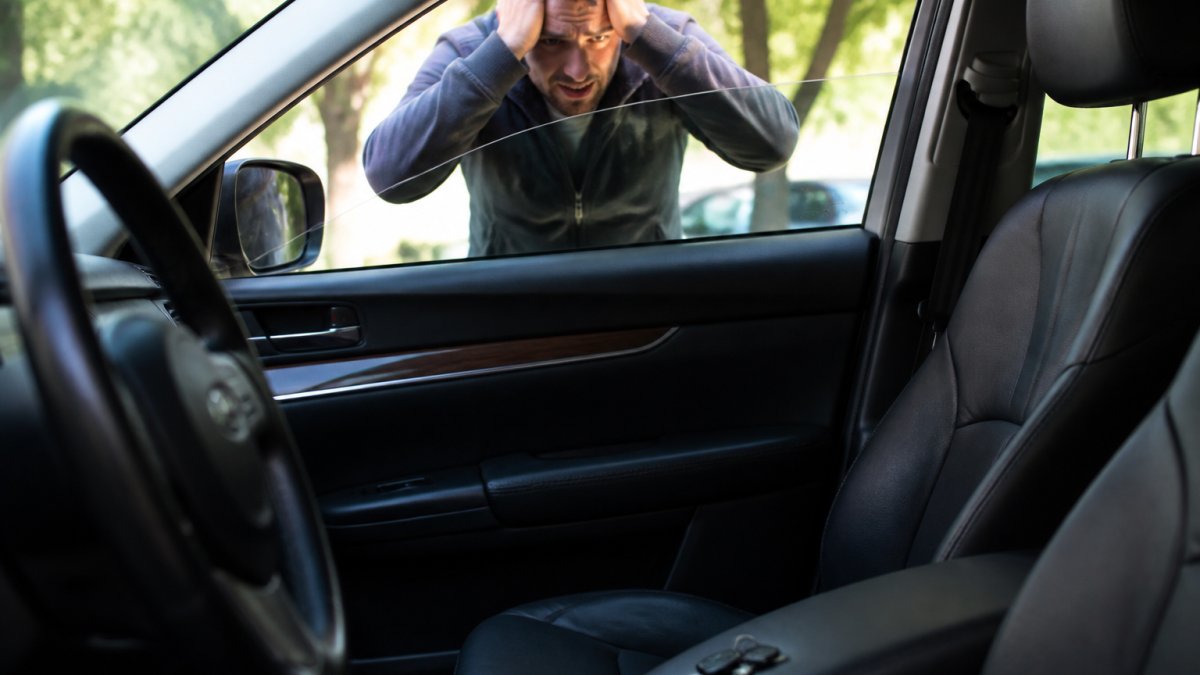
Seeing your keys through the window creates a false sense that retrieval should be easy.
Resist the urge to break in. Learn preventing door damage during lockout to minimize harm if you need to attempt entry yourself.
Watch out: Using coat hangers, screwdrivers, or other improvised tools can scratch paint, dent doors, or break window seals, damage that's expensive to repair.
Lost or Misplaced Car Keys
You reach for your keys and your pocket is empty. You've checked the counter, the nightstand, and the car itself. Your keys have vanished.
Lost or misplaced keys account for a significant portion of automotive lockouts.
You often don't realize keys are gone until you need them, then spend hours retracing steps while your car sits inaccessible.
If you can't locate lost keys after a reasonable search, a locksmith can open your vehicle and, depending on your car's age and key type, create replacement keys on the spot or guide you on getting new ones from your dealership.
Best for: Keeping a spare key in a secure location at home, not in your vehicle or on your person during daily activities.
Dead Key Fob Battery Car Lockout Scenarios
Your key fob worked perfectly this morning. Now it won't unlock your car. You press the button repeatedly. Nothing happens. Your battery is dead.
Key fobs rely on small batteries that typically last three to four years. When one dies, the fob becomes useless even if a physical key is attached. Many modern vehicles lack a traditional door keyhole, so a dead fob can leave you completely locked out.
This is one of the most preventable car lockout causes. Most fobs show warning signs before dying completely, the unlock button needs multiple presses, or the range shortens. Replace the battery immediately if you notice these signs.
If your fob battery dies unexpectedly, check whether your vehicle has a physical keyhole hidden under a cover or trim piece. For fobs that fail electronically rather than from battery drain, explore key fob reprogramming service costs to understand your repair options.
For guidance on key fob replacement, contact American Locksmith CT to understand your options.
Skip if: You already keep spare batteries in your car or home and replace them proactively.
Key Fob or Remote Failure and Electronic Glitches
A dead battery is one thing. A malfunctioning key fob is another. Your battery is fine, but the fob simply won't work. You might see a blinking light. You might see nothing. The fob has failed electronically.
Key fob failures happen for several reasons. Water damage is common, a dropped fob, heavy rain, or an accidental wash. Internal circuitry can corrode, buttons can wear out, and the transmitter can lose its programming.
Unlike a dead battery, electronic failure often requires replacement or professional repair. Some fob failures are temporary, moisture inside the casing can sometimes be resolved by opening it and letting it dry.
If a fresh battery doesn't fix your fob, a professional locksmith can diagnose the issue and reprogram the fob if it simply lost its connection to your vehicle.
Modern keyless-entry failure scenarios
Newer vehicles add failure modes that older lockout advice never addresses. Before assuming the fob is broken, run through these checks.
Signal interference. Keyless-entry systems use radio frequencies, and strong nearby signals can overwhelm the fob's transmission.
Fob pairing loss. A fob can lose its programming after a battery replacement, a jump start, or a vehicle battery disconnect.
Smartphone app and connectivity failure. App-based unlock depends on the cellular network, the automaker's server, and your phone's battery and data connection. If any link fails, the app shows an error or spins indefinitely.
Keycard and phone-as-key failures. Some newer vehicles use a credit-card-style keycard or phone-as-key instead of a traditional fob.
Hidden physical key and keyhole. Many fobs conceal a mechanical key blade. Look for a release tab or button on the fob body.
Best for: Testing your backup entry method (hidden key blade, keycard, or app) once a year so you know it works before an emergency.
Faulty Door Locks and Mechanical Wear
Your key slides into the lock cylinder, but it won't turn. Or it turns, but the door doesn't unlock. Your lock mechanism has failed.
Mechanical lock failure happens gradually. Internal tumblers wear down, dirt and debris accumulate, and rust forms. Over time, the lock becomes finicky or stops working entirely.
Older vehicles experience this more often, a car that's 10, 15, or 20 years old has locks used thousands of times.
Weather plays a role too. Salt spray from winter roads accelerates rust, extreme temperature swings stress internal components, and humidity causes corrosion.
If your lock is sticking or hard to turn, don't force it, a worn lock can break the key off inside the cylinder.
Best for: Having your locks inspected annually, especially if you live in an area with harsh winters or high humidity.
Keys Locked in Car: What to Do Immediately
You're locked out. Your keys are inaccessible. Now what?
First, stay calm. Panic leads to poor decisions like attempting to break into your own vehicle. You have options.
Step 1: Check all doors and windows. Sometimes one door is unlocked.
Step 2: Look for a spare key. Do you have one at home, or can a trusted friend or family member bring it?
Step 3: Call roadside assistance or your insurance company. Many insurance policies include roadside assistance coverage. AAA members have access to lockout services.
Step 4: Contact a professional locksmith. If you lack roadside assistance or a nearby spare key, call a locksmith. A professional can open your vehicle safely without damage.
When you call a locksmith, ask about what to ask emergency locksmiths to ensure you're working with someone reliable. Also ask about emergency locksmith response time expectations so you know what to expect.
Watch out: Never leave your vehicle unattended while waiting for help, especially if valuables are visible inside.
If a child, pet, or vulnerable person is locked inside
This changes the priority order completely. Do not wait for a standard roadside or locksmith appointment if a person or animal is trapped inside.
Call 911 first. Dispatchers can send police, fire, or EMS, who have tools to open the vehicle quickly.
Stay at the vehicle and keep visual contact. Talk to the person inside if they can hear you. For a pet, stay where the animal can see you to reduce stress.
Do not break a window unless directed or there is immediate danger. Modern tempered glass can shatter unpredictably, and side airbags or child-seat occupants can be injured. Responders are trained to choose the safest entry point.
Know the heat risk. A parked vehicle's interior can reach dangerous temperatures within minutes even on mild days.
Best for: Saving 911 and a locksmith's emergency line in your phone contacts before you need them, and teaching every driver in the household the difference between the two scenarios.
How to Prevent Car Lockouts Before They Happen
Prevention beats emergency response every time. Build these habits now to avoid future lockouts.
Replace key fob batteries proactively. Don't wait for your fob to die. Replace the battery every three years.
Inspect your locks regularly. If your key is hard to turn or gets stuck, have a locksmith look at it.
Use keyless entry backups. If your vehicle has keypad code entry or smartphone app unlock, learn how to use it.
Keep your phone charged. If your vehicle supports smartphone unlock, a dead phone defeats that backup.
Install a key finder. Small Bluetooth devices attach to your keychain and help you locate lost keys using your phone.
| Prevention Strategy | Time Required | Effectiveness | Cost |
|---|---|---|---|
| Keep spare key at home | 5 minutes | Very High | Free |
| Replace fob battery proactively | 10 minutes | High | $5-15 |
| Inspect locks annually | 5 minutes | Medium | Free |
| Use keypad/app backup | 5 minutes | High | Free |
| Attach key finder | 2 minutes | Medium | $10-25 |
| Pause before closing door | 1 second | Very High | Free |
When prevention fails and you're locked out, American Locksmith CT offers professional emergency lockout assistance. Our reliable technicians deliver high-quality assistance precisely when you need it most. Book emergency locksmith services when you need immediate help.
Understanding car lockout causes helps you avoid them. Most lockouts stem from preventable situations: forgotten keys, dead batteries, or simple carelessness.
Frequently Asked Questions
What should I do if I lock my keys in my car?
Stay calm and assess your situation. Check if any doors or windows are unlocked as a safe exit option. Do not attempt to break into your vehicle, as this risks damage and personal injury. Call a professional locksmith who can unlock your car without causing harm. Avoid DIY methods like using hangers or wedges, which frequently damage door frames and locking mechanisms. A professional locksmith can resolve the situation safely.
Can a dead key fob battery cause a car lockout?
Yes. A dead key fob battery prevents remote unlocking and can trigger vehicle security systems that lock all doors automatically. Many modern vehicles rely heavily on keyless entry, so a depleted fob battery leaves you without wireless access. However, most cars have a physical key hidden inside the fob or a manual unlock method. Check your vehicle's manual for the backup key location. If you cannot access it, a professional locksmith can help you regain entry quickly.
What are the most common causes of car lockouts?
The most frequent causes include accidentally locking keys inside the vehicle, losing or misplacing keys entirely, dead key fob batteries, electronic keyless entry failures, and worn or faulty door lock mechanisms. Older vehicles with mechanical locks experience wear over time, while newer models depend on electronic systems that can malfunction. Rushed mornings and distracted driving increase lockout risk. Understanding these causes helps you take preventive steps like keeping a spare key accessible and maintaining your key fob battery.
How much does a professional car lockout service typically cost?
Pricing for car lockout services depends on several factors including your vehicle's age and lock type, the time of day you need assistance, your location, and whether damage prevention is required. Emergency after-hours service generally costs more than daytime calls. For current pricing and a transparent quote based on your specific situation, contact American Locksmith CT directly.