 How-to
Preventing Door Damage During Lockout: 7 Steps
Table of Contents
- Assess the Lockout Situation Before Taking Action
- What to Do When Locked Out of Your House
- Non-Destructive Door Unlocking Methods That Minimize Risk
- How to Handle a Broken Key in Lock Situations
- Protecting Your Door and Hardware During Entry
- Calling a Locksmith for Home Lockout Emergencies
- Preventing Future Lockouts and Door Damage
- Frequently Asked Questions
Last Updated: October 20, 2026
Assess the Lockout Situation Before Taking Action
Getting locked out is stressful. Your first instinct might be to force entry immediately. But preventing door damage during lockout starts with taking a breath and evaluating your options carefully.
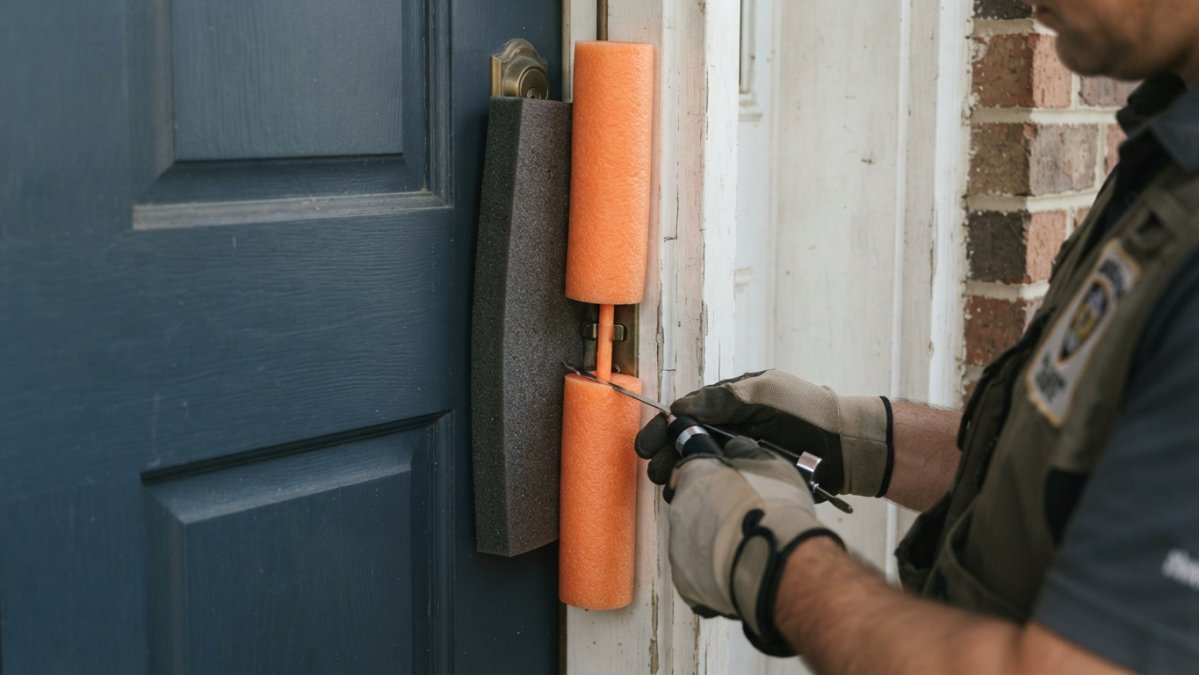
The difference between a quick, damage-free entry and a costly repair often comes down to those first few minutes.
Identify what type of lockout you're facing
Not all lockouts are the same. A residential home lockout is different from being locked out of your garage or vehicle.
A home lockout means your front door, back door, or side door is locked.
Understanding which type you're facing helps you decide your next steps. It also determines whether you should attempt entry yourself or call a professional immediately.
Check for safe alternative entry points
Before you attempt any entry method, look for alternatives. An unlocked window, a sliding glass door, or a garage side entrance might give you access without any door damage.
Walk around your home and check:
- Ground-floor windows
- Sliding glass doors or patio doors
- Garage side doors or entry points
- Basement windows or doors
- Doors on other sides of the house
If you find an unlocked entry point, use it. This is the safest way to avoid preventing door damage during lockout situations altogether.
What to Do When Locked Out of Your House
When you're locked out of your house, panic often sets in. But the actions you take in the next hour will determine whether you get back in safely or face expensive repairs.
Contact someone with a spare key first
Your first call should be to someone who has a spare key to your home. A family member, trusted friend, or neighbor might have one available.
Before you give anyone access:
- Confirm their identity
- Ask them to bring the key to you directly
- Meet them at your home to verify they have the right key
- Watch them unlock the door to confirm it works
This approach takes longer than forcing entry, but it eliminates all risk of door damage. If someone is available within a reasonable timeframe, this is always the best option.
Verify your identity and ownership before attempting entry
If you decide to attempt entry yourself, stop and verify you actually live there. This matters for two reasons: legal protection and safety.
Have your ID ready. Know your address. If a neighbor questions what you're doing, you can quickly explain the situation.
Document the lockout if possible. Take a photo or note the time. If you later need to file an insurance claim for door damage, this record helps.
Non-Destructive Door Unlocking Methods That Minimize Risk
Many DIY entry methods cause serious damage. Before you attempt any technique, understand what can go wrong.
Using padding and protective barriers during entry attempts
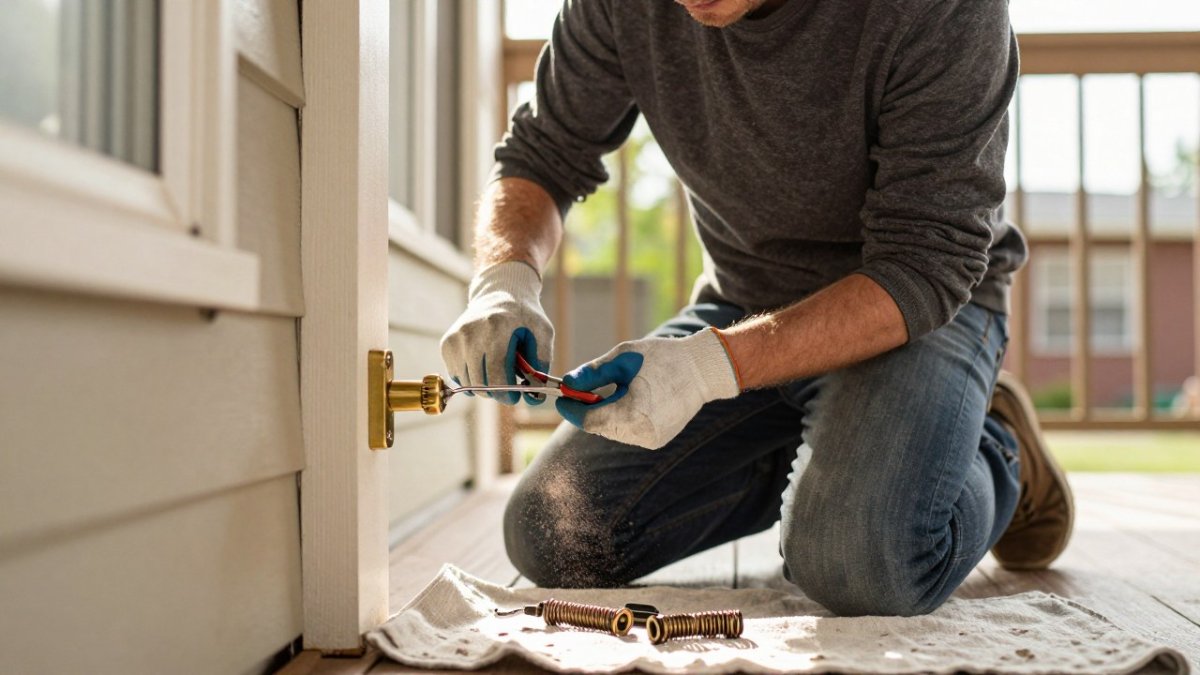
If you must attempt entry, protect your door first. This is where most people fail. They skip protection and damage the door while trying to unlock it.
Use these protective barriers:
- Pool noodles cut lengthwise and placed along the door frame
- Foam padding wrapped around the lock area
- Cardboard or plywood placed against the door surface
- Soft cloth or blankets positioned to absorb impact
These barriers protect against scratches, dents, and paint damage. They also protect the seal around your door, which prevents water and air leaks.
Position padding on both sides of the door if possible. Pay special attention to areas where tools will contact the door.
Why force and improvised tools cause lasting damage
Forcing a door causes damage that extends far beyond what you see. When you apply pressure to a locked door, you stress multiple components simultaneously.
Damage risks include:
- Paint chipping or peeling
- Dents in the door surface
- Cracks in the door frame or trim
- Damage to weatherstripping and door seals
- Bent or broken lock mechanisms
- Warping of the door itself
- Damage to hinges and hardware
Each of these problems is expensive to repair. A new door seal costs $50-200 to replace. A damaged lock mechanism requires a locksmith visit.
Improvised tools are the worst offenders. Using a screwdriver, crowbar, or flathead tool to pry a door applies force unevenly.
How to Handle a Broken Key in Lock Situations
A broken key stuck in your lock is a specific type of lockout. You have the key, but you cannot use it.
What not to do when a key breaks inside the lock
Most people make this worse by trying to extract the key themselves. Common mistakes include:
Do NOT:
- Use pliers or tweezers to pull the broken piece
- Apply lubricants like WD-40 and then try to extract it
- Wiggle the key aggressively
- Attempt to drill it out without professional tools
- Hammer or tap the lock
Each of these actions can:
- Push the broken piece deeper into the lock
- Damage the lock mechanism beyond repair
- Break other internal components
- Make professional extraction impossible
A broken key is a job for a professional. The lock mechanism is delicate. One wrong move and you'll need a complete lock replacement instead of a simple key extraction.
Professional extraction versus DIY removal attempts
Professional locksmiths have specialized tools for broken key extraction. They can remove the broken piece without damaging the lock.
DIY extraction attempts usually result in lock damage. You'll end up calling a locksmith anyway, but now you need a new lock instead of just key extraction.
The time to call a professional is immediately after you discover the broken key.
Protecting Your Door and Hardware During Entry
If you must attempt entry yourself, protection is everything. Your door has multiple vulnerable components that cost money to repair.
Damage risks to seals, paint, glass, and trim
Your door is more complex than it looks. The visible surface is just one part. Underneath, weatherstripping, seals, and hardware work together to keep your home secure and weatherproof.
Vulnerable components:
- Weatherstripping: Rubber or foam seal around the door edge. Costs $20-80 to replace. Damage leads to drafts and water leaks.
- Paint: Professional repainting of a door costs $150-400. Scratches and chips spread over time.
- Door glass: If your door has a window, impact damage cracks or shatters it. Replacement costs $200-600.
- Trim and frame: Damage here requires carpentry work, not just a locksmith. Costs $300-800 to repair.
- Locking mechanism: A bent deadbolt or damaged lock cylinder requires replacement. Professional installation costs $150-300.
Each component failure compounds the problem. A damaged seal leads to water damage inside your home. Cracked paint allows rust to form. A broken lock mechanism means you cannot secure your door.
Using padding, pool noodles, and protective barriers correctly
Padding placement matters. Random padding offers little protection. Strategic placement protects the most vulnerable areas.
Where to place protection:
- Around the lock cylinder and deadbolt
- Along the edges of the door frame
- On the door surface where tools will contact it
- Around the hinges if you're applying pressure near them
Use pool noodles cut lengthwise and positioned along the frame. This distributes force evenly and prevents concentrated impact damage.
Secure padding with painter's tape or masking tape. This keeps it in place during your entry attempt.
Test your setup before you attempt entry. Does the padding stay in place? Can you still access the lock?
Calling a Locksmith for Home Lockout Emergencies
There's a point where DIY attempts become counterproductive. Knowing when to stop and call a professional saves you money and stress.
When to stop DIY attempts and call a professional
Stop and call a professional if:
- You've spent more than 15 minutes on entry attempts
- You notice any damage starting to occur
- Your tools are slipping or not working
- You feel uncertain about the technique
- You're dealing with a high-security lock
- You have a broken key in the lock
- The door has special hardware or a security system
American Locksmith CT responds quickly to lockout calls. A professional can enter your home safely, often with minimal door damage. The cost of a locksmith visit is usually far less than repairing door damage from a failed DIY attempt.
What to expect from a professional locksmith visit
When you call a locksmith, here's what happens:
Verification: The locksmith will ask for identification and proof of ownership. This protects your home's security. Legitimate locksmiths always verify before entering.
Assessment: They'll examine your lock and door. They'll determine the best entry method with minimal damage risk.
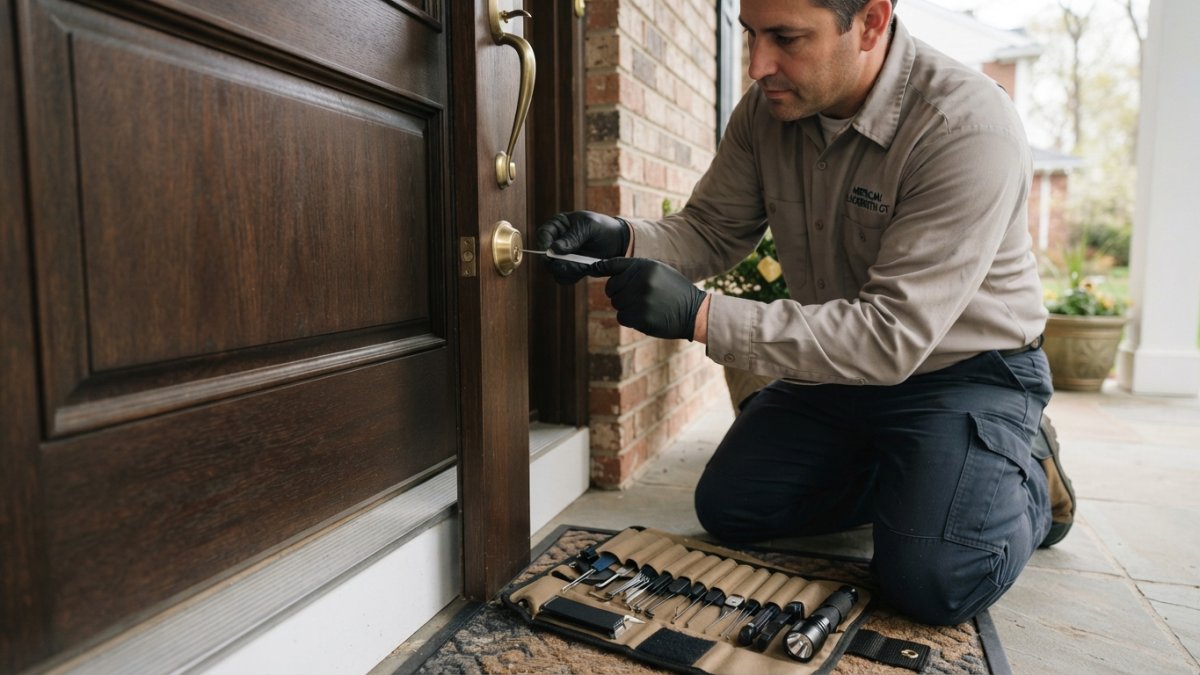
Entry: Professional locksmiths use specialized tools that don't damage doors. They can open most residential locks in seconds to minutes.
Documentation: You'll receive a receipt and documentation of the service. Keep this for your records.
Lock check: A good locksmith will ensure your lock works properly after entry.
You'll have access to your home with professional care.
Preventing Future Lockouts and Door Damage
The best lockout is one that never happens. Prevention is simpler than managing an emergency.
Establishing a spare key storage system
Create a reliable spare key system now, before you're locked out.
Safe storage options:
- Give a spare to a trusted family member or close friend nearby
- Use a lockbox with a combination code (not a key-based lock)
- Install a keypad entry system on your door
- Leave a spare with a trusted neighbor
- Store a spare in your vehicle
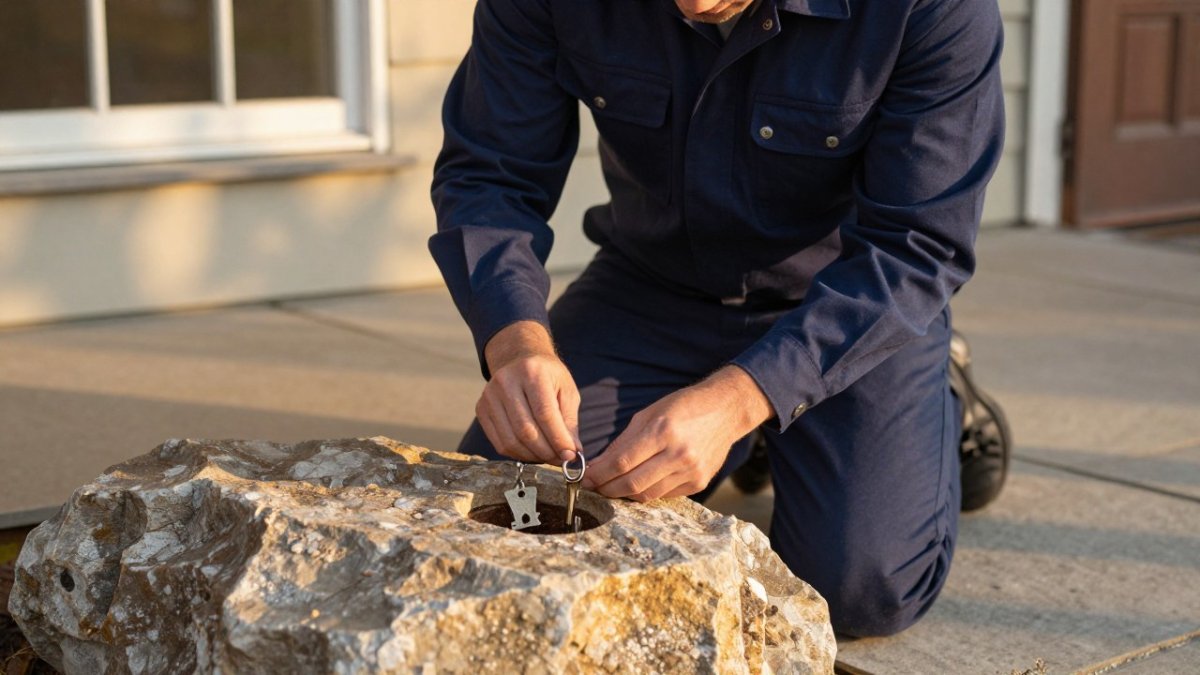
Never hide a spare key under a doormat, flowerpot, or rock. These are the first places someone checks during a break-in. Burglars know all the common hiding spots.
Keep your spare key secure but accessible. The goal is to have it available during a lockout, not to hide it from yourself.
Installing keyless entry and backup access methods
Modern entry systems reduce lockout risk dramatically. Keyless entry options include:
Keypad locks: You enter a code instead of using a key. No key means no lockout. Codes can be changed easily for security purposes.
Smart locks: These connect to your phone. You unlock your door remotely from anywhere.
Backup remote access: Some systems allow you to unlock your door through a mobile app even if you're away.
These systems typically cost $150-400 for installation.
Combine keyless entry with a traditional backup lock. This gives you multiple ways to access your home if one system fails.
Last Updated: October 20, 2026
When you're locked out of your home, the damage happens in seconds.
Frequently Asked Questions
Can a locksmith unlock a door without damaging it?
Yes, professional locksmiths use specialized non-destructive tools designed to open locks without harming the door, frame, or hardware. They understand how to manipulate locking mechanisms safely and know which entry methods protect paint, seals, and trim. If a locksmith determines that non-destructive entry isn't possible, they'll explain the damage risk upfront before proceeding. Attempting DIY entry with improvised tools almost always causes more damage than a professional approach.
What should I do first if I'm locked out of my house?
First, check for unlocked windows or doors you can access safely without damage. Second, call someone who has a spare key, a trusted family member, friend, or roommate. Third, verify you own or rent the property before attempting any entry. Only after these steps should you consider calling a professional locksmith for home lockout assistance. Avoid forcing doors, windows, or locks, as this causes expensive damage to seals, paint, and mechanisms.
What should I do if my key broke in the lock?
Stop trying to remove the broken piece immediately. Attempting to extract it yourself with tweezers, pliers, or picks risks pushing the fragment deeper into the lock or damaging internal components. Do not apply lubricants, as these can make extraction harder. Instead, contact a locksmith who has specialized extraction tools and experience removing broken keys without destroying the lock. This prevents the need to replace the entire lock mechanism.
How can I prevent future lockouts and door damage?
Store a spare key in a secure location accessible to a trusted person, or install a keyless entry system like a keypad or smart lock. Establish a routine of checking your keys before leaving. For rental properties or commercial spaces, master rekeying systems allow authorized personnel quick access without forcing entry. Regular lock maintenance and inspecting for wear prevents unexpected failures. These proactive steps eliminate the need for emergency entry and protect your doors and hardware from damage.