 How-to
How to Rekey Residential Door Locks Yourself
Last Updated: November 5, 2026
Quick Summary
To rekey residential door locks yourself, remove the cylinder, swap the key pins to match your chosen key using a rekeying kit, then reassemble and test the lock. Rekey whenever you cannot account for every key, such as after moving in or losing a key.
- Rekeying swaps pins inside the existing cylinder, while changing locks installs a new lock assembly.
- A typical kit includes a plug follower, pin set, tweezers, and a retainer ring tool; you supply the screwdriver.
- Confirm your lock's brand, model, and keyway appear in the kit's compatibility list before buying.
- Key pins sit in the plug and driver pins sit above them in the housing; swapping them stops the lock turning.
- Test the key with the door open, turning it both ways several times, before relying on the lock.
Table of Contents
- When to Rekey Residential Door Locks
- Rekey Locks vs. Change Locks: Which Do You Need?
- What's in a Residential Lock Rekeying Kit
- Step 1: Check Lock and Key Compatibility
- Step 2: Remove the Doorknob or Deadbolt and Cylinder
- Step 3: Swap the Pins and Reassemble the Cylinder
- How to Rekey a Lock to Match an Existing Key
- How to Rekey a Door Lock Without a Key
- Frequently Asked Questions
When to Rekey Residential Door Locks
You should rekey residential door locks whenever you cannot account for every key to a door. That includes moving into a new home, ending a relationship, losing a key, or turning over a rental unit.
This is one of the most common questions homeowners ask. The answer is simpler than most people expect.
Here is when a rekey makes sense:
- You just bought or moved into a home and do not know who holds copies of the keys
- A tenant moved out and you need the unit secured for the next renter
- A key was lost or stolen, along with anything that identifies your address
The last point matters more than people realize. If you are moving in and want a full walkthrough of the process, our guide on how to rekey house locks after moving covers it end to end.
Watch out: waiting on a rekey after a lost key leaves a security gap until the cylinder is changed.
Rekey Locks vs. Change Locks: Which Do You Need?
Rekeying swaps the pins inside your existing lock cylinder. Changing locks means installing a brand-new lock assembly. Rekeying is generally the lower-cost option. Replacement is the better call when the hardware itself is worn, damaged, or low quality.
Use this rule of thumb:
| Situation | Rekey | Replace |
|---|---|---|
| New home, keys unaccounted for | Yes | No |
| Lost or stolen key | Yes | No |
| Lock is loose, sticking, or damaged | No | Yes |
| You want a different finish or style | No | Yes |
| Old lock with no known brand | Maybe | Often |
| Landlord turnover between tenants | Yes | Only if worn |
A lock cylinder is the part that turns when you insert the key. If that part is healthy, rekeying is almost always the smarter move. If the lock is failing, replacement wins.
Not sure which side of the line you are on? Our comparison of lock repair vs replacement breaks down the repair side in detail, and our guide to signs your door lock is failing helps you spot a lock that is past saving.
What's in a Residential Lock Rekeying Kit
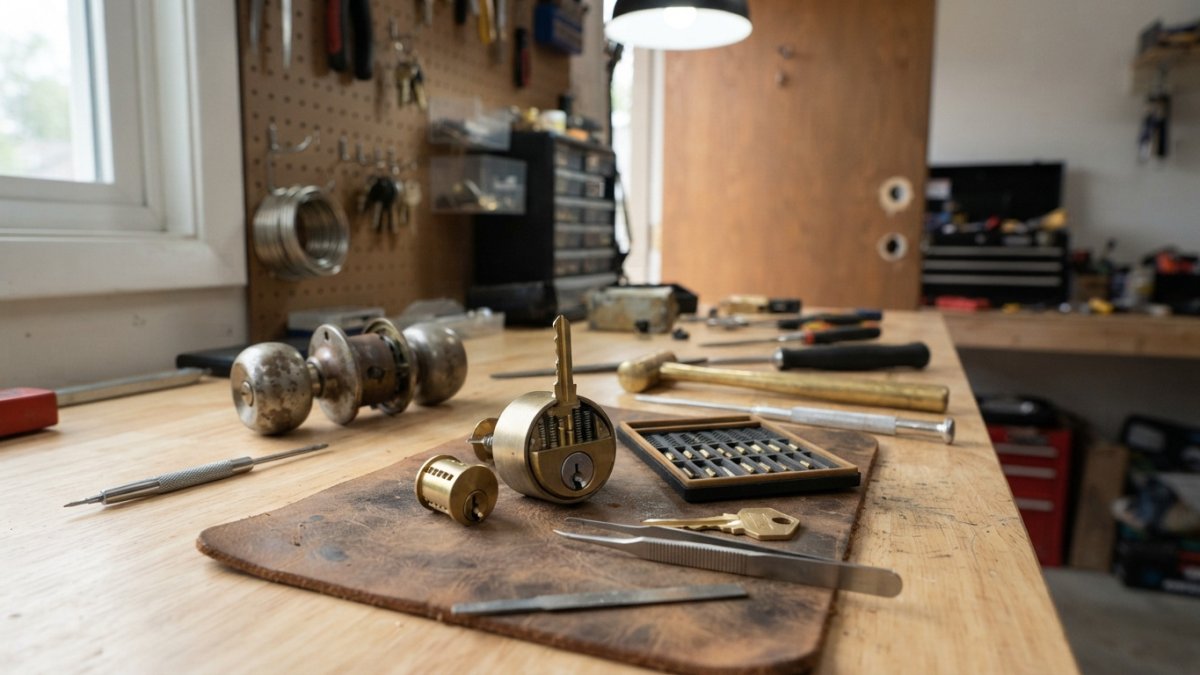
A residential lock rekeying kit gives you the small parts and tools needed to swap pins inside a cylinder. Most kits include a plug follower, a pin set, tweezers, and a retainer ring tool. You supply the screwdriver. But the single most common reason a DIY rekey fails is buying a kit that does not fit the lock, so treat compatibility as the first item on the list, not an afterthought.
Here is what the typical kit holds:
- Plug follower: a rod that pushes the cylinder plug out without letting driver pins escape
- Key pins and driver pins: the small brass and steel pins that set the lock's combination
- Pin set tray: keeps pins sorted by length so you grab the right one
You also need a screwdriver that matches your lock's screws. Most residential locks use a Phillips head.
How to Confirm a Kit Fits Before You Buy
Kits are usually built around a specific lock family, and a pin set sized for one brand will not necessarily seat correctly in another.
- Find the brand and model: look for a stamp on the face of the lock, the latch plate, or the interior trim. Kwikset, Schlage, and Defiant are common residential names, and each has its own pin set and cylinder geometry.
- Check the keyway: the slot the key slides into. A kit's key blanks and pin charts are tied to a keyway family, so a kit for one keyway may not serve a lock with a different one.
- Match the lock type: deadbolts, keyed entry knobs, and levers can use different cylinder designs even within the same brand. A kit that covers a standard deadbolt may not include the parts for a lever cylinder.
If you cannot find the brand, take a clear photo of the key and the lock face.
Watch out: a kit advertised as "universal" often means it covers several common brands, not every lock, confirm your model appears in the compatibility list before you rely on it.
What Kits Do Not Cover
A standard rekeying kit handles pin tumbler cylinders, which is what most homes use. It does not convert a smart lock, a high-security cylinder with restricted keyways, or a lock with a non-standard cylinder. For those, the practical path is a replacement cylinder or a locksmith visit rather than a pin swap. Knowing this before you buy saves the cost of a kit you cannot use.
Step 1: Check Lock and Key Compatibility
Before you buy anything, confirm your lock can actually be rekeyed. Most pin tumbler locks can. Some cannot.
A pin tumbler lock is the standard cylinder lock found on most homes.
Check these points first:
- Brand and model: look for a stamp on the face of the lock or the latch plate
- Keyway: the slot the key slides into. Different keyways need different key blanks
- Lock type: standard knobs and deadbolts rekey easily; smart locks and high-security cylinders often do not
If you cannot find the brand, take a clear photo of the key and the lock face.
Watch out: forcing a key blank that does not match the keyway can bend the key and jam the cylinder.
Step 2: Remove the Doorknob or Deadbolt and Cylinder
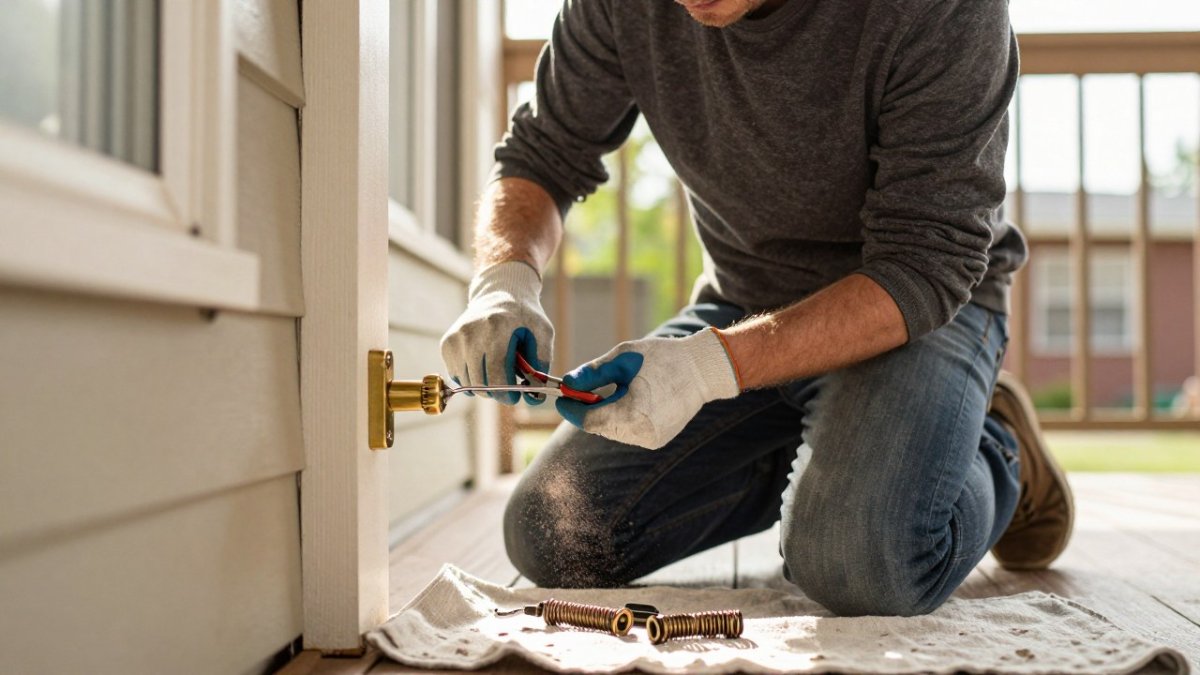
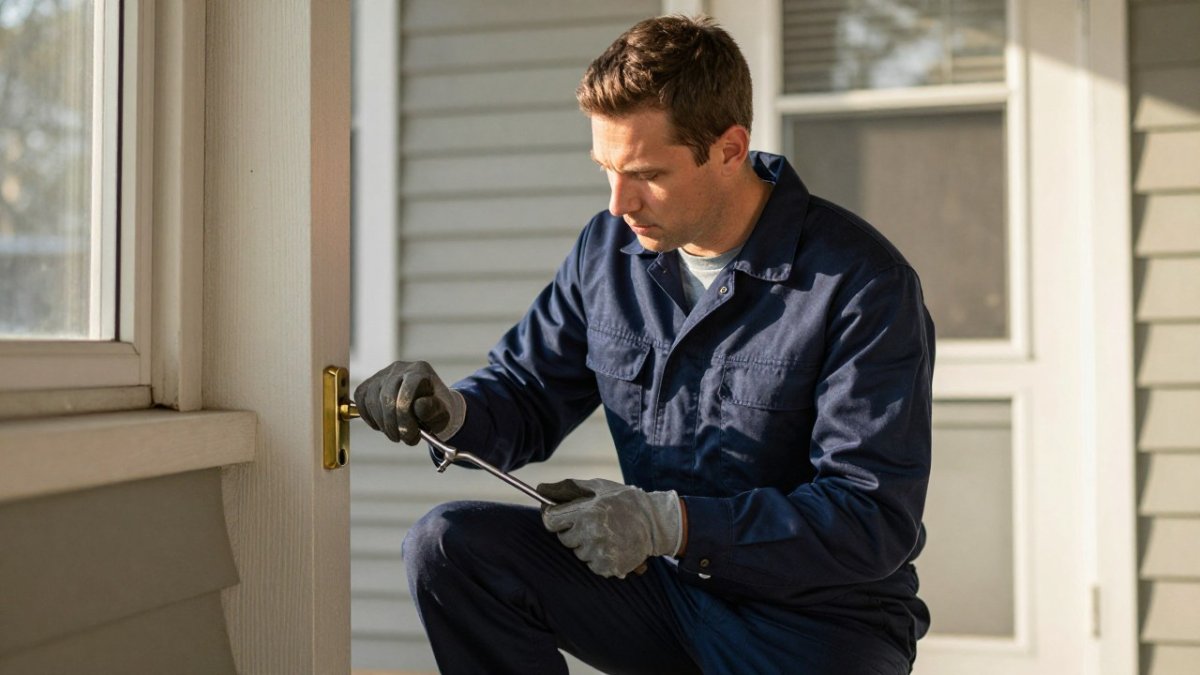
Start by opening the door and removing the interior screws. Pull the knob or deadbolt body off the door, then slide the cylinder out from the exterior side.
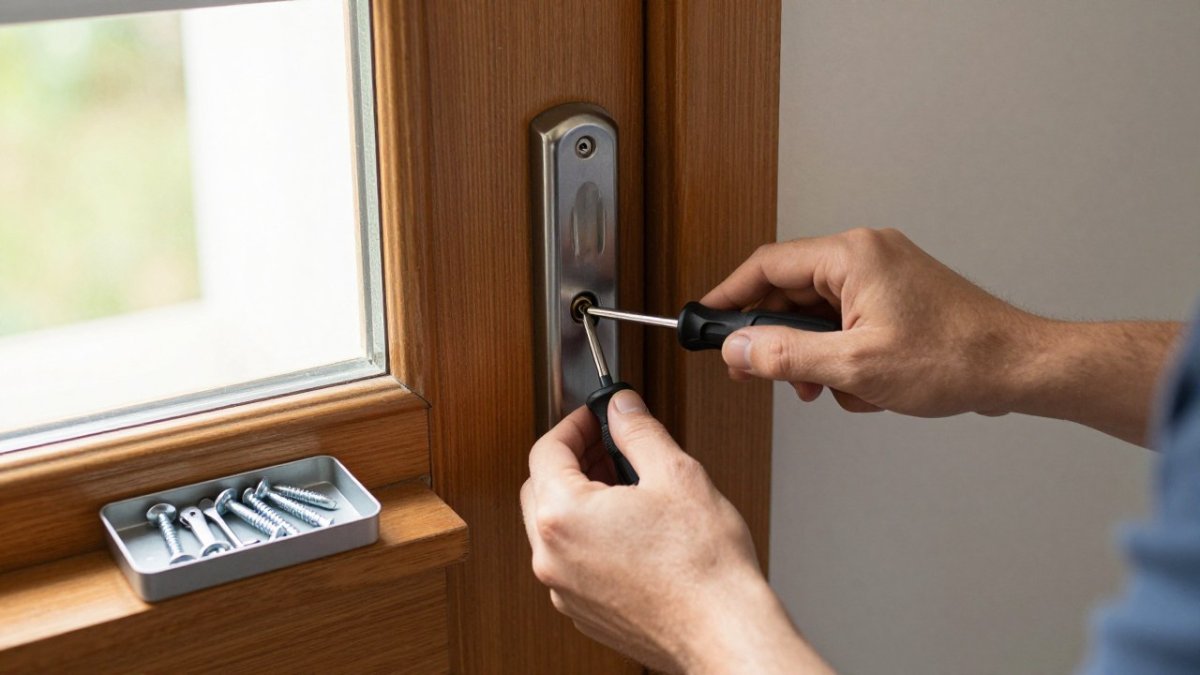
Follow this order:
- Open the door so the latch is not under pressure
- Remove the two interior screws holding the knob or deadbolt
- Pull the interior assembly off the door
- Slide the lock cylinder out from the outside
- Set every screw in a tray so nothing rolls away
Next, remove the retainer ring or C-clip that holds the cylinder plug in place. This is the step where most DIY jobs go sideways.
If removal reveals a cracked housing or stripped screws, stop here. Our guide on what to expect from professional lock repair explains what a technician handles at that point.
Step 3: Swap the Pins and Reassemble the Cylinder
With the plug out, dump the old pins and drop in new ones that match your chosen key. Then slide the plug back in with the follower and refit the clip.
Here is the sequence:
- Insert the key you want to use into the plug
- Push the plug out with the plug follower, keeping driver pins in the housing
- Tip out the old key pins
- Check the pin chart for your brand and key code
- Drop in the new pins that sit flush with the plug's top edge
- Slide the plug back in, pushing the follower out behind it
- Refit the retainer ring or C-clip
- Reinstall the cylinder and knob, then test the key
A common mistake is mixing up key pins and driver pins. Key pins sit in the plug; driver pins sit above them in the housing. Swap them and the lock will not turn.
How the Job Differs by Lock Type
- Deadbolts: the cylinder usually comes out from the exterior side after the interior thumb-turn assembly is removed. The plug and clip arrangement is the most straightforward of the three.
- Keyed entry knobs: the cylinder is often held by a retainer clip inside the knob body, and some models require removing the knob from the spindle before the cylinder will slide free. Pin charts are the same, but access is tighter.
- Levers: many lever cylinders use a different clip style and a shorter plug, so a kit sized for a deadbolt may not include the right retainer. Confirm the kit lists lever compatibility before starting.
Troubleshooting a Cylinder That Binds
If the key will not turn after reassembly, stop before you force it. Forcing a bound cylinder can bend the key or crack the plug.
- Key will not insert: a pin is sitting too high in its chamber. Reopen the plug and check that each key pin sits flush with the plug's top edge when the key is in.
- Key inserts but will not turn: a pin is the wrong length, or a driver pin dropped into the plug. Recheck the pin chart against your key code.
- Plug will not slide back in: the follower slipped and a driver pin fell out of line. Re-seat the follower and try again.
Test Before You Trust the Lock
Test the key with the door open, not closed. Turn it a quarter-turn both ways, remove it, and reinsert it several times. A lock that works once can still bind on the second turn if a pin is marginal. Only after it turns cleanly several times should you close the door and rely on it. Keep a second working key or a backup entry plan on hand until the job is confirmed.
How to Rekey a Lock to Match an Existing Key
To rekey a lock to match an existing key, you pin the new cylinder to the same key code as the key you already use.
This is where planning pays off. Decide which doors should share a key before you start.
- Pick the primary key you want to standardize on
- Note its key code so you can pin each lock to match
- Rekey each cylinder one at a time, testing after each
- Label each lock as you finish so you do not lose track
If you are matching four or more locks, the job gets fiddly fast. You can book a locksmith visit and have every cylinder pinned to one key in a single trip.
How to Rekey a Door Lock Without a Key
The process is the same as Step 3, with one difference: you are not matching an existing code. You are starting fresh.
- Remove the cylinder and plug as usual
- Dump all old pins
- Choose a new key and insert it into the plug
- Pin the plug to that new key using the chart
This is the standard fix after a lost key. The old key stops working the moment the new pins go in.
One caution: without the original key code, you cannot recreate the old combination. That is the point.
Frequently Asked Questions
Can I rekey my residential door locks myself?
Yes, if your locks use standard pin tumbler cylinders and you buy a matching rekeying kit. You remove the cylinder, swap the key pins, and reassemble it around the new key. The time a first-timer needs per lock varies with the lock and experience. Skip the DIY route if you have high-security or non-standard locks, or if you are not comfortable removing door hardware.
Can you rekey a door lock without the original key?
In most cases, yes. A locksmith can pick or bypass the cylinder, remove it, and fit new pins so a fresh key works. Some cylinders are difficult to open without damage, and a few will need replacement. If you are locked out, call a mobile locksmith rather than forcing the lock, since a broken cylinder costs more to fix.
Is it better to rekey or replace a door lock?
Rekey when the hardware is solid and you only need new keys, which is the usual case after moving in or after a tenant leaves. Replace when the lock is damaged, worn, or below the security level you want. Rekeying costs less and takes minutes per lock; replacement lets you upgrade to a better deadbolt at the same time.
Can different locks be rekeyed to use the same key?
Yes. A locksmith can rekey multiple locks to one key, called keyed-alike service, as long as the locks share a compatible keyway. This is common for a front door, back door, and garage entry. Plan it before you buy pins, because mixing brands can limit which cylinders can share a key.